

Gender-based violence (GBV) remains a major public health and human rights concern in Djibouti, with profound consequences for the physical, psychological, and social well-being of survivors. In this context, the availability of reliable and harmonized data is essential to improve planning, strengthen coordination among services, and support evidence-based decision-making. To address this need, the Ministry of Health, with the technical and financial support of UNFPA, has initiated a strategic process to integrate data related to the management of GBV cases into the National Health Information System (DHIS2), in connection with the GBVIMS-Health platform. This initiative aims to strengthen data governance, improve data quality, and facilitate the use of information for monitoring and evaluating interventions that support survivors.
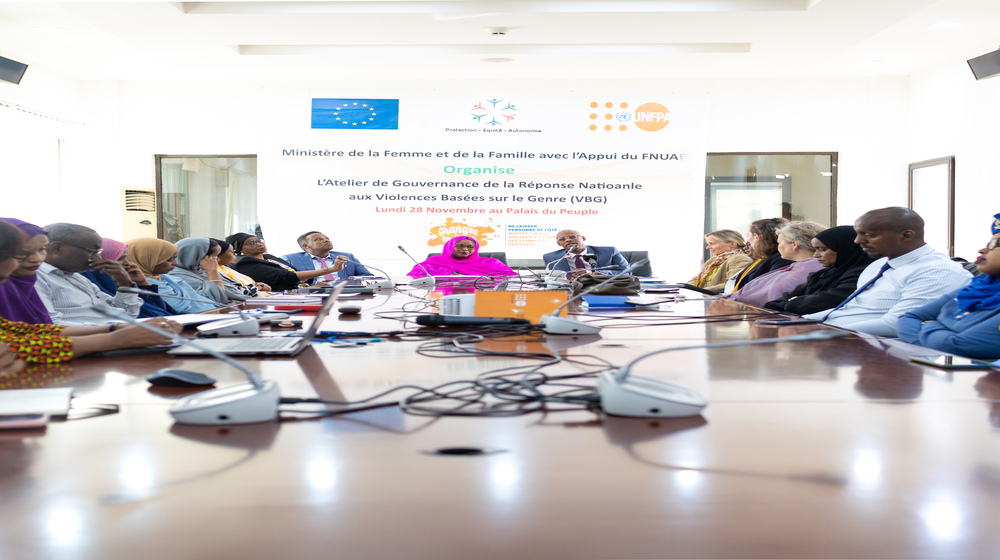
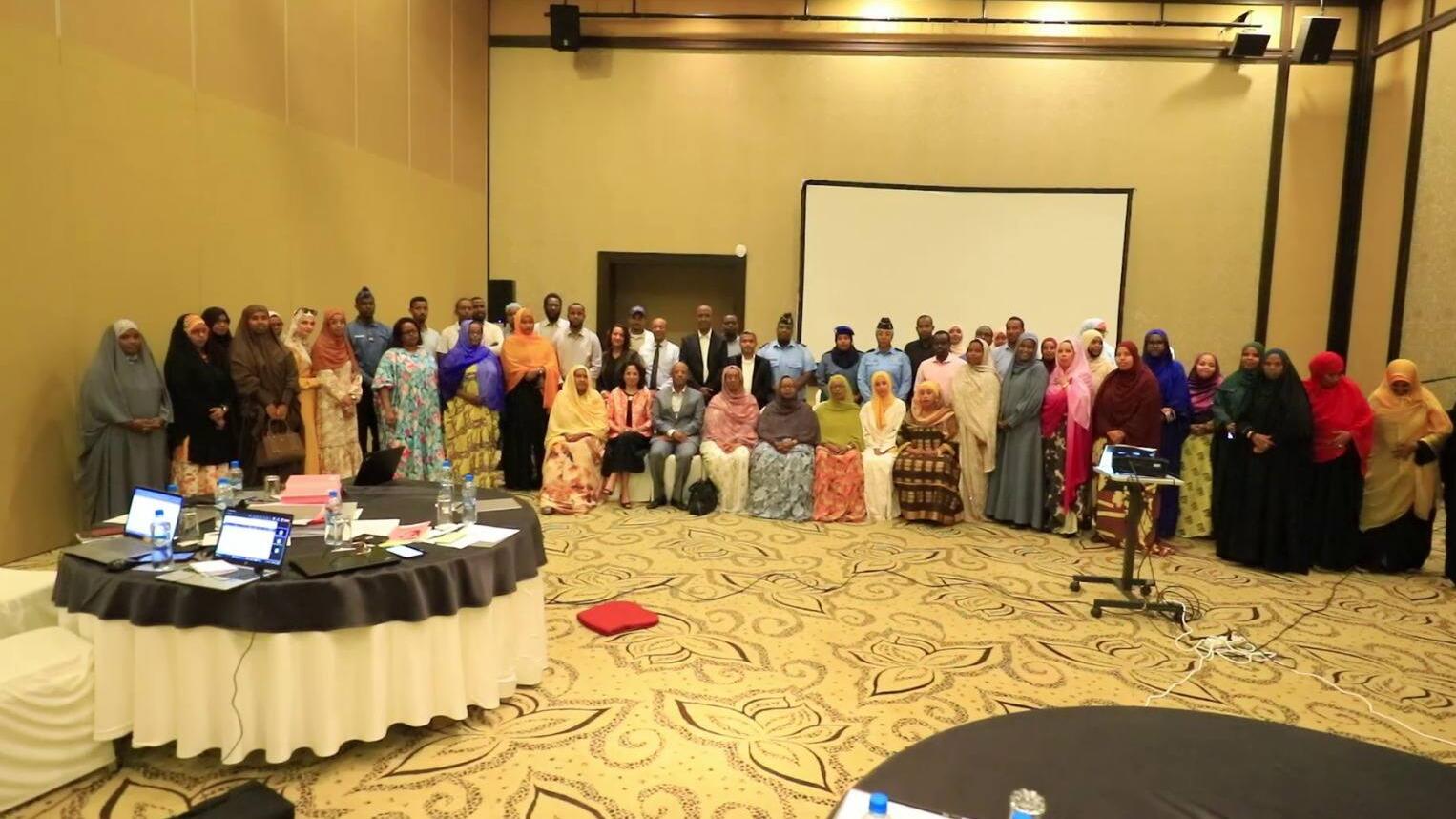
On 2 February 2025, a national workshop held in Djibouti marked a key milestone in this process, bringing together representatives from the Ministry of Health, the Health Information Directorate (DIS), the National Institute of Public Health of Djibouti (INSPD), health facilities, and several technical partners and stakeholders involved in the GBV response. The workshop aimed to launch and harmonize the process of integrating GBV-related data into DHIS2 while reinforcing institutional coordination around the management of this sensitive information. Discussions provided an opportunity to share national experiences in data collection and analysis, identify persistent challenges such as fragmented data systems and varying technical capacities among actors, and examine the technical modalities required to ensure interoperability between DHIS2 and GBVIMS-Health. Participants also reviewed and validated several key documents, including the terms of reference for internal coordination within the health sector, operational standards for the medical management of GBV, as well as tools for information management and medico-legal certification. In addition, the joint validation of key GBV indicators represents an important step forward, as these indicators will be progressively integrated into DHIS2 to strengthen service monitoring and national trend analysis.
Alongside this workshop, a capacity-building mission was implemented to train a national core group of trainers drawn from the Health Information Directorate, the Directorate of Maternal and Child Health, and the National Institute of Public Health of Djibouti, as well as sectoral partners involved in survivor care and referral systems. This approach, based on a cascade training model combining theoretical sessions, practical exercises, and technical mentoring, aims to ensure sustainable ownership of the integrated DHIS2–GBVIMS-Health system and to harmonize data collection, analysis, and use across all relevant institutions. Within this framework, the Ministry of Health ensures national governance of the integrated platform and oversees the security, confidentiality, and sovereignty of the data, while the Health Information Directorate, with the support of the DSME and INSPD, manages the operational administration of the system, including user access, data analysis, and the production of analytical reports that inform health planning and strategic decision-making. Health facilities, the National Gendarmerie services, the listening unit of the National Union of Djiboutian Women (UNFD), and the National Agency for Persons Living with Disabilities also contribute to case registration and follow-up, while strictly adhering to confidentiality and survivor protection principles.
By strengthening information systems and enhancing the capacities of the actors involved, the integration of GBVIMS-Health into DHIS2 marks an important step toward more effective governance of GBV-related data in Djibouti. This initiative will improve coordination among services supporting survivors, enable better analysis of national trends, and guide public policies toward more targeted and effective interventions for women and girls, thereby reinforcing the national response to gender-based violence in Djibouti.