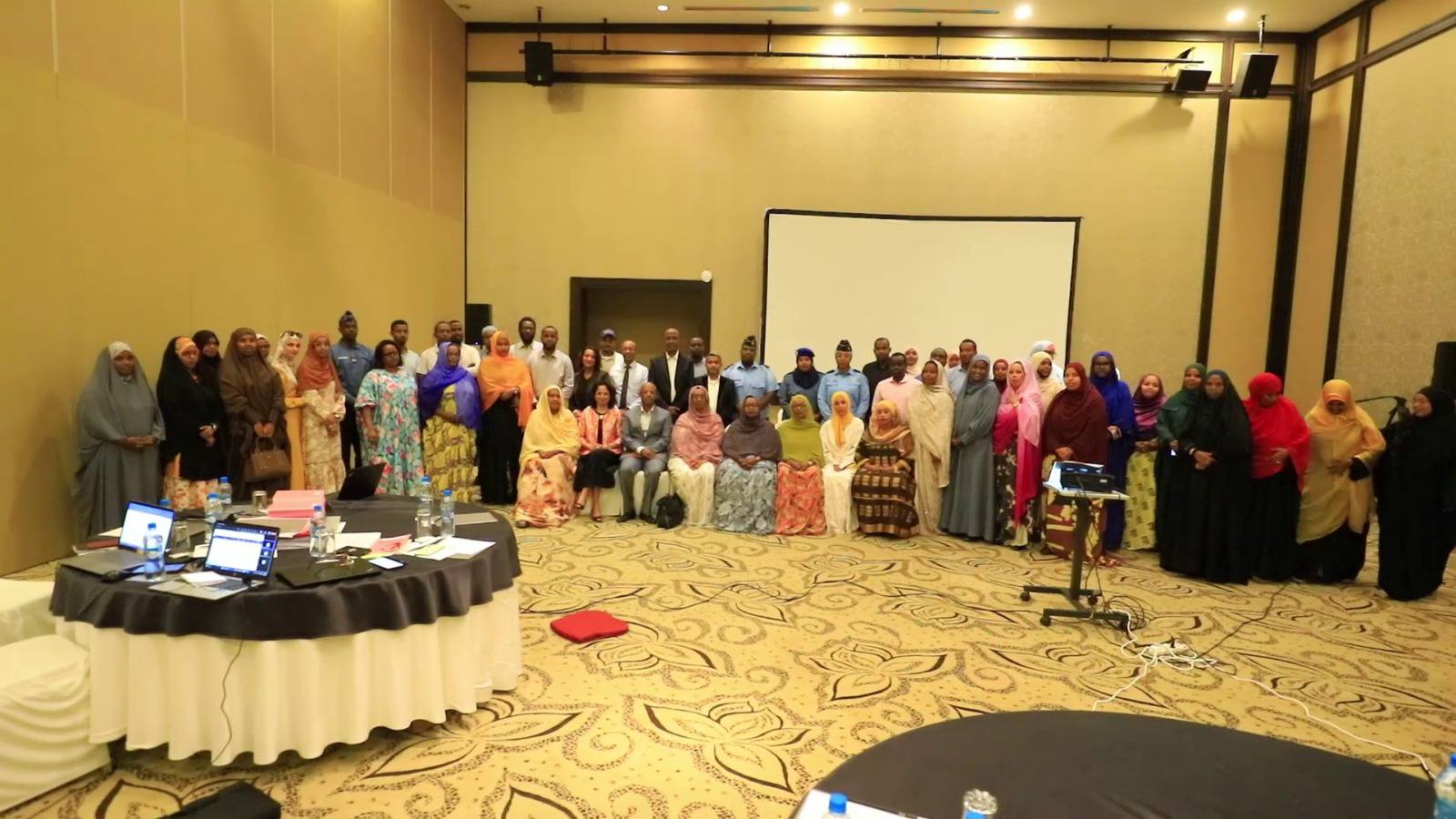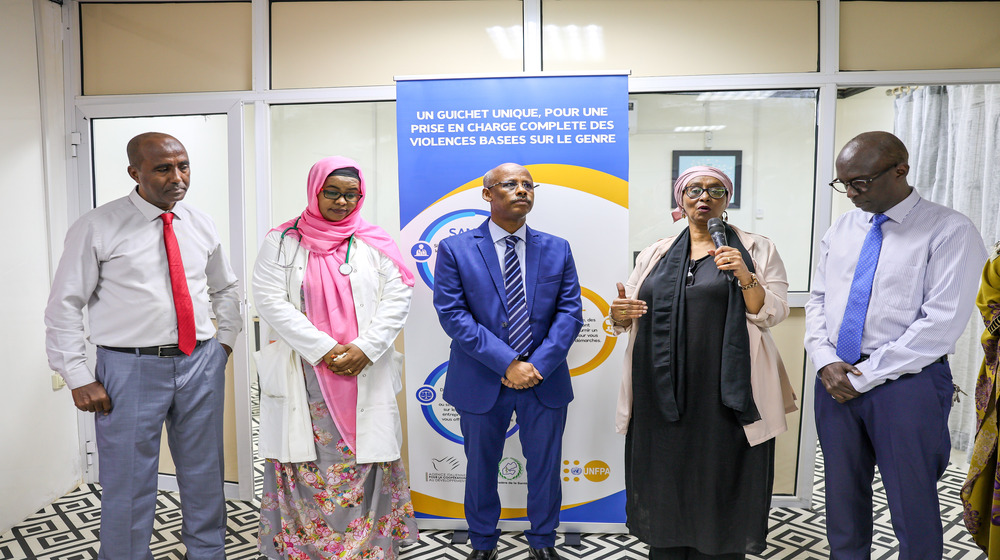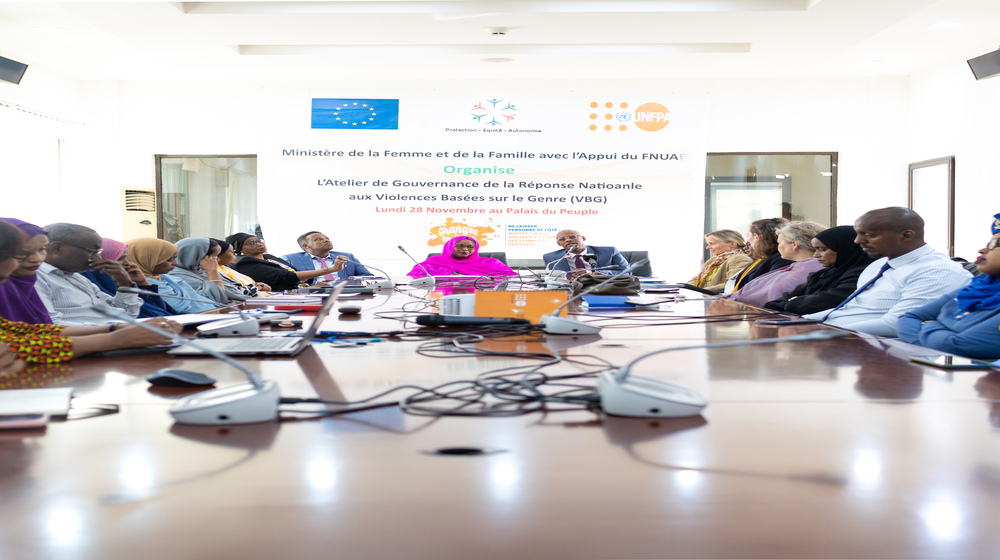


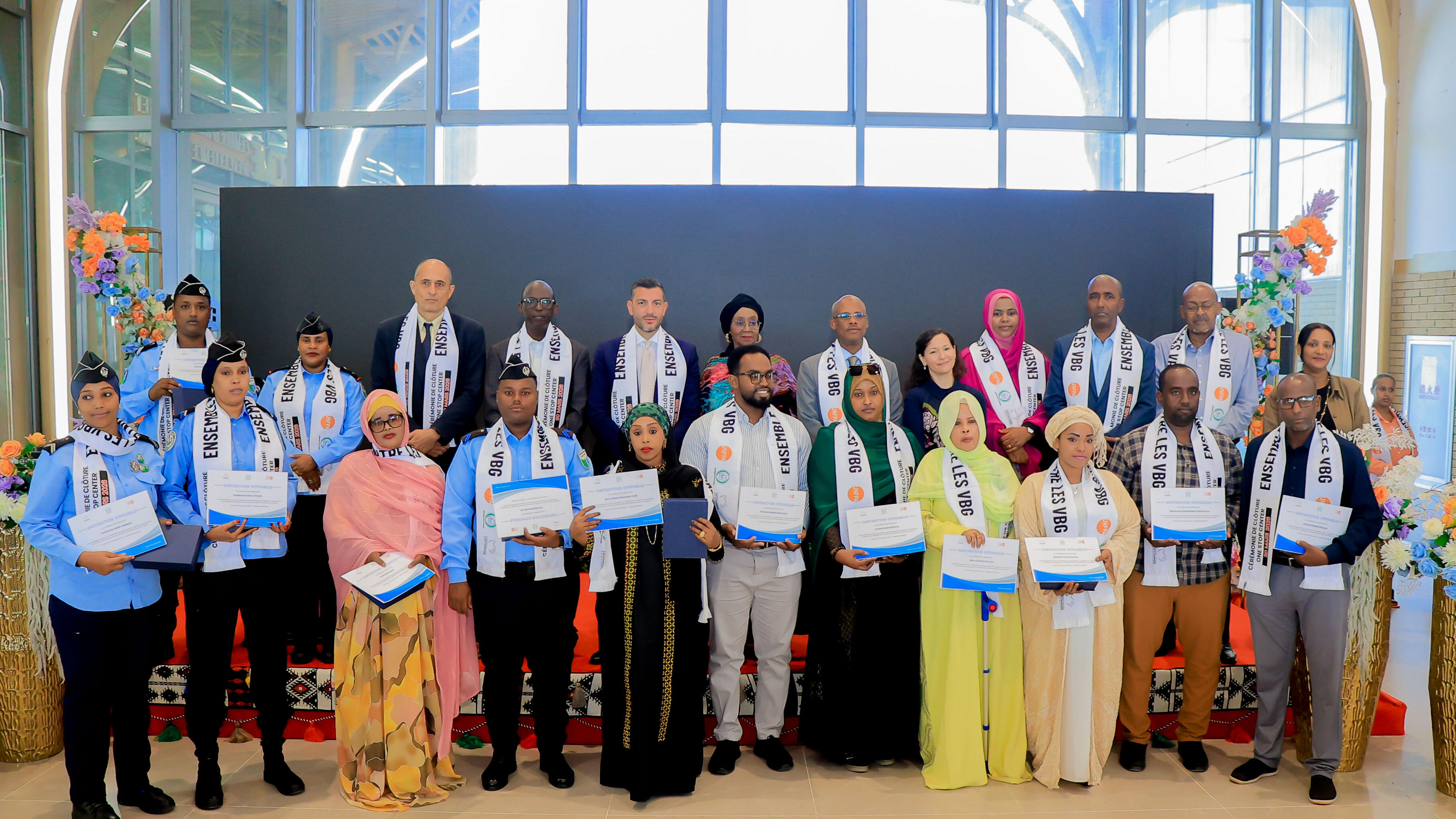
In Djibouti, the One Stop Center in Balbala — supported by UNFPA, AICS, and the UNFPA-UNICEF Joint Programme — was designed to address gender-based violence. It became, unexpectedly, the first space where female genital mutilation (FGM) survivors could file a complaint and access justice.
The innovation rests on a simple principle: bringing medical care, psychosocial support, and Judicial Police Officers (OPJ) together under one roof. For FGM survivors, this coexistence is unprecedented. It allows, for the first time, filing a complaint without leaving the safe care environment — removing the barriers of fear and stigma.
Of nearly 700 GBV cases managed, around twenty involved FGM. Behind these figures lies a historic shift: FGM cases brought before judicial authorities, made possible by direct coordination between medical teams and judicial officers.
“Before, they moved from one service to another. Today, they are supported from the very first moment.” Aleo Mohamed Aleo, OPJ
Its planned expansion to six health centers will sustainably embed this innovation for the benefit of all survivors.